abataku
Offline Android learning app for numbers, letters, and words in English, Indonesian, and Arabic—with on-device speech recognition, tracing, and handwriting scoring.
- Status
- On Google Play
- Platform
- Android · tablet first, phone supported
- Built with
- Kotlin · Jetpack Compose
- Speech AI
- ZIPA-CR small + Silero VAD on trimmed ONNX Runtime (3.2 MB)
- Network
- None, fully offline
- Play Store
- Automated store listing with release notes and screenshots
- Gate
- gate.sh · quality-kit
- Harness
- Claude · Cursor · Antigravity CLI
- Started
- Oct 2026
Overview
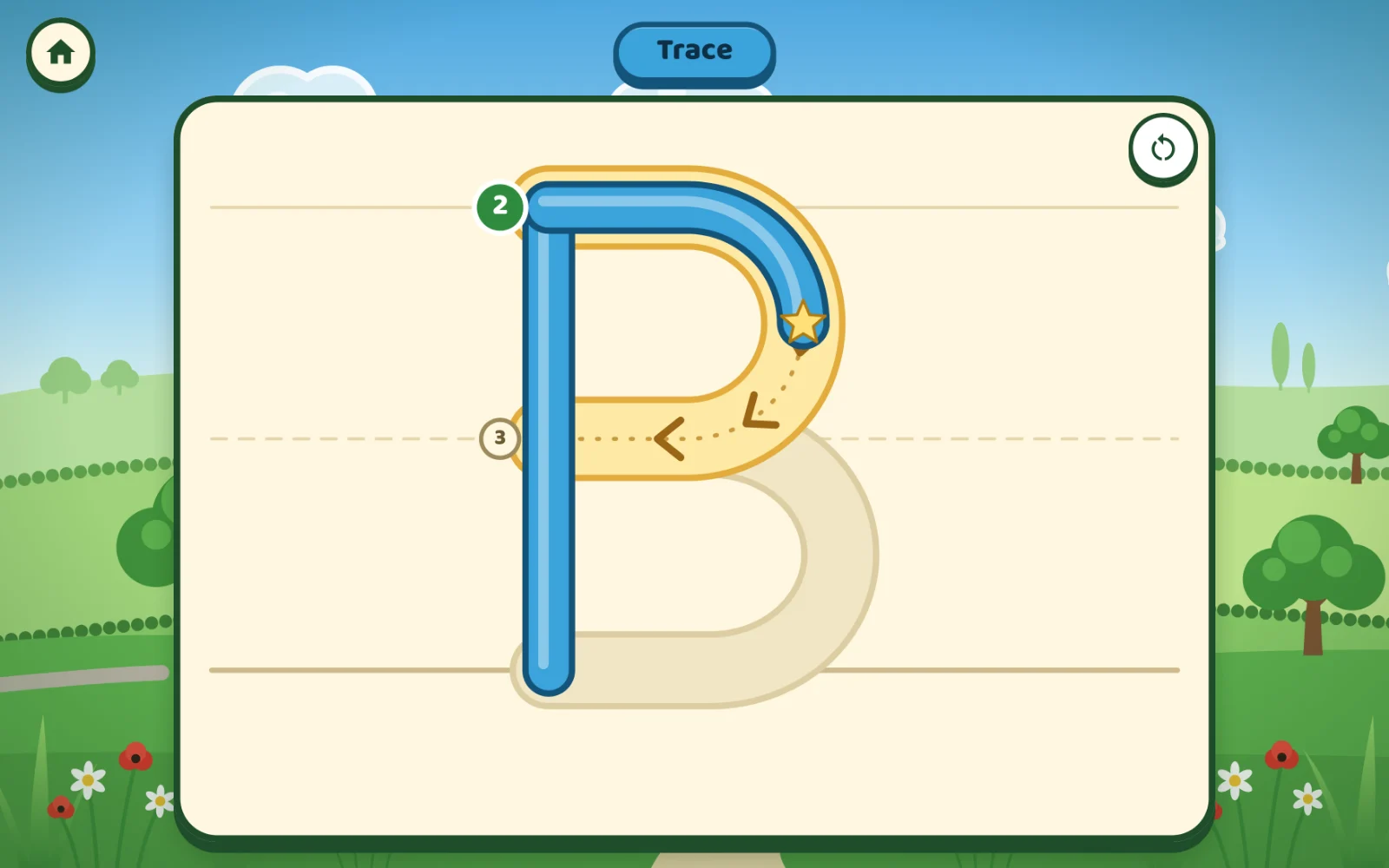
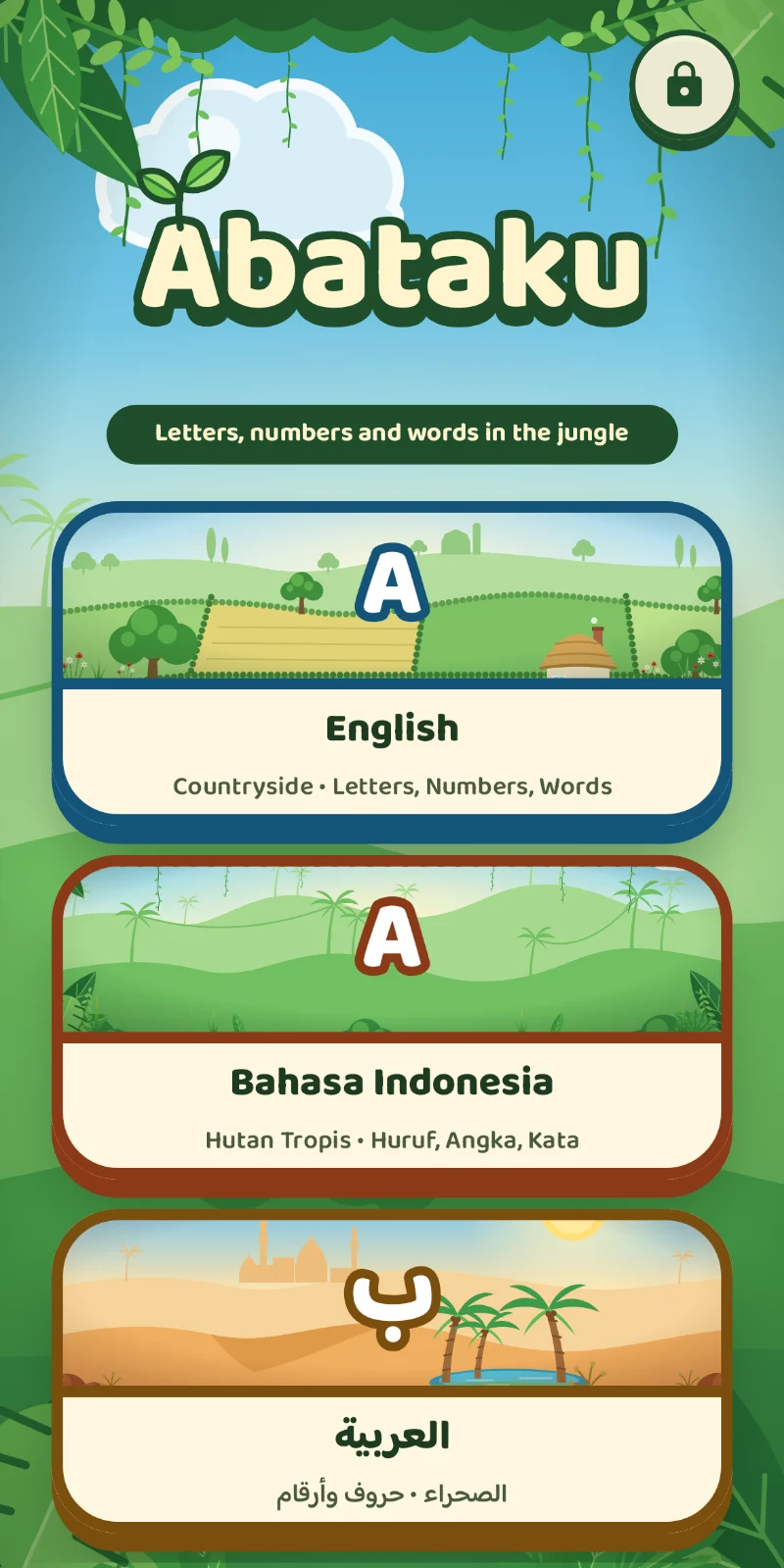
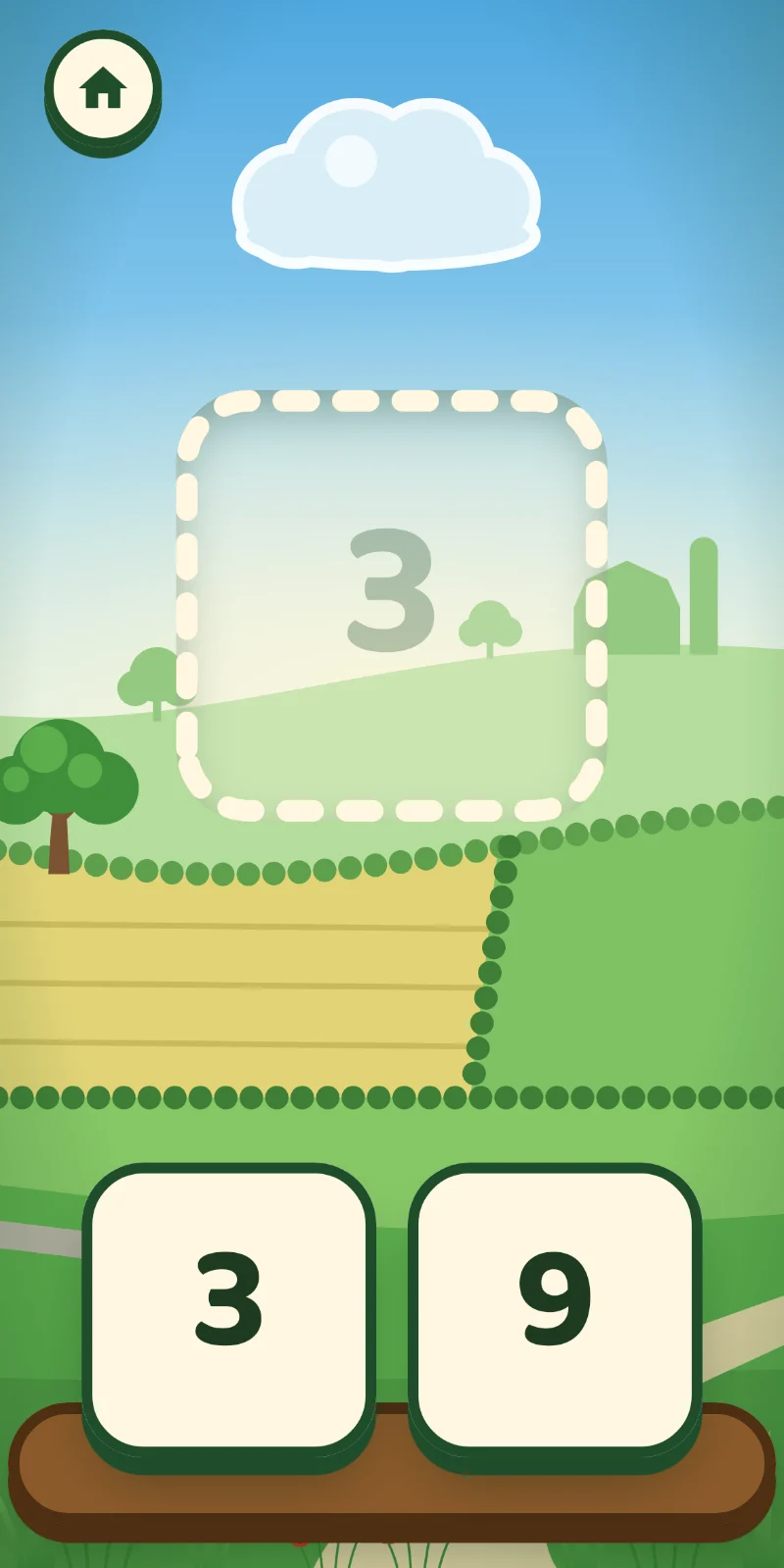
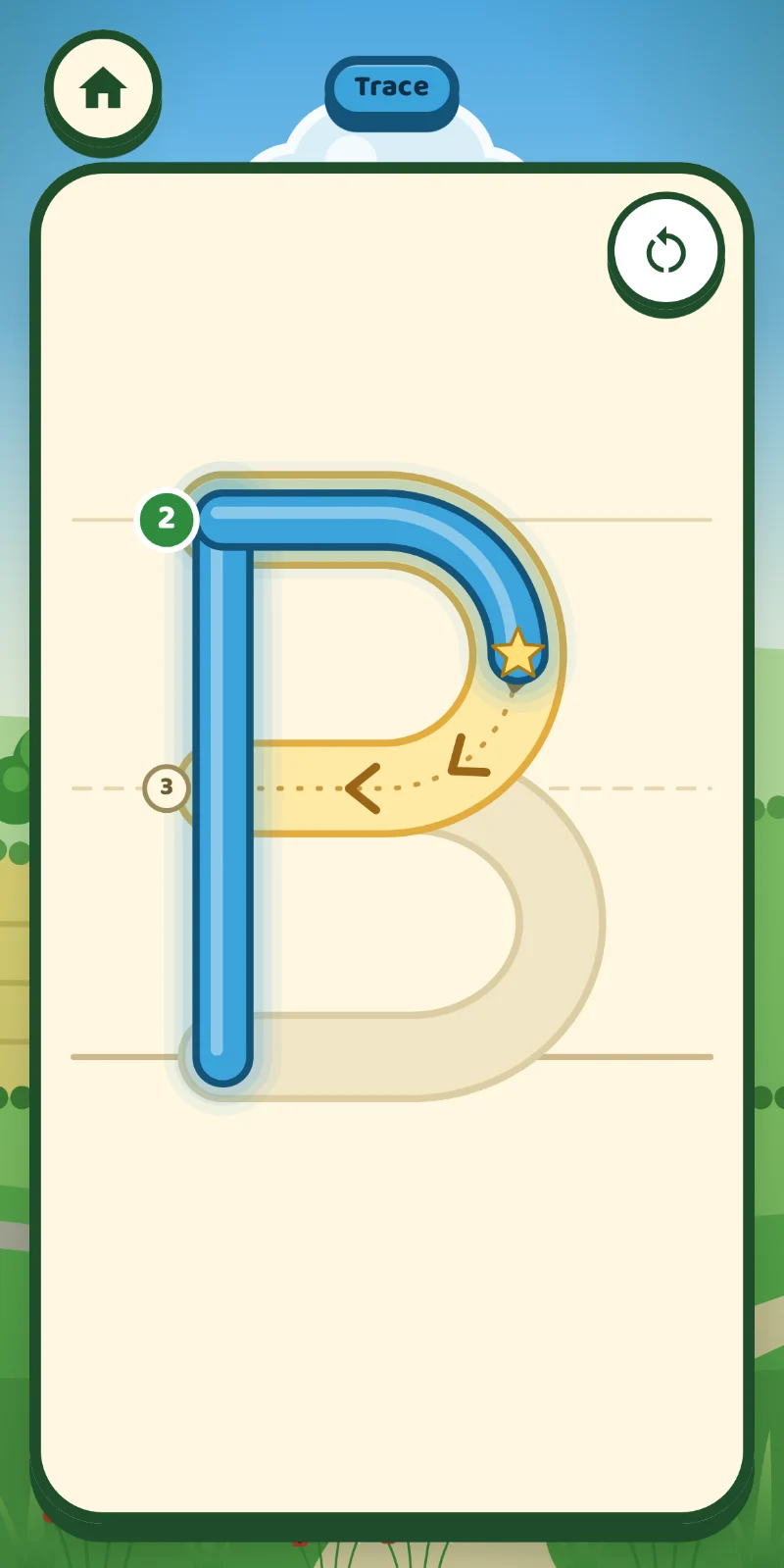
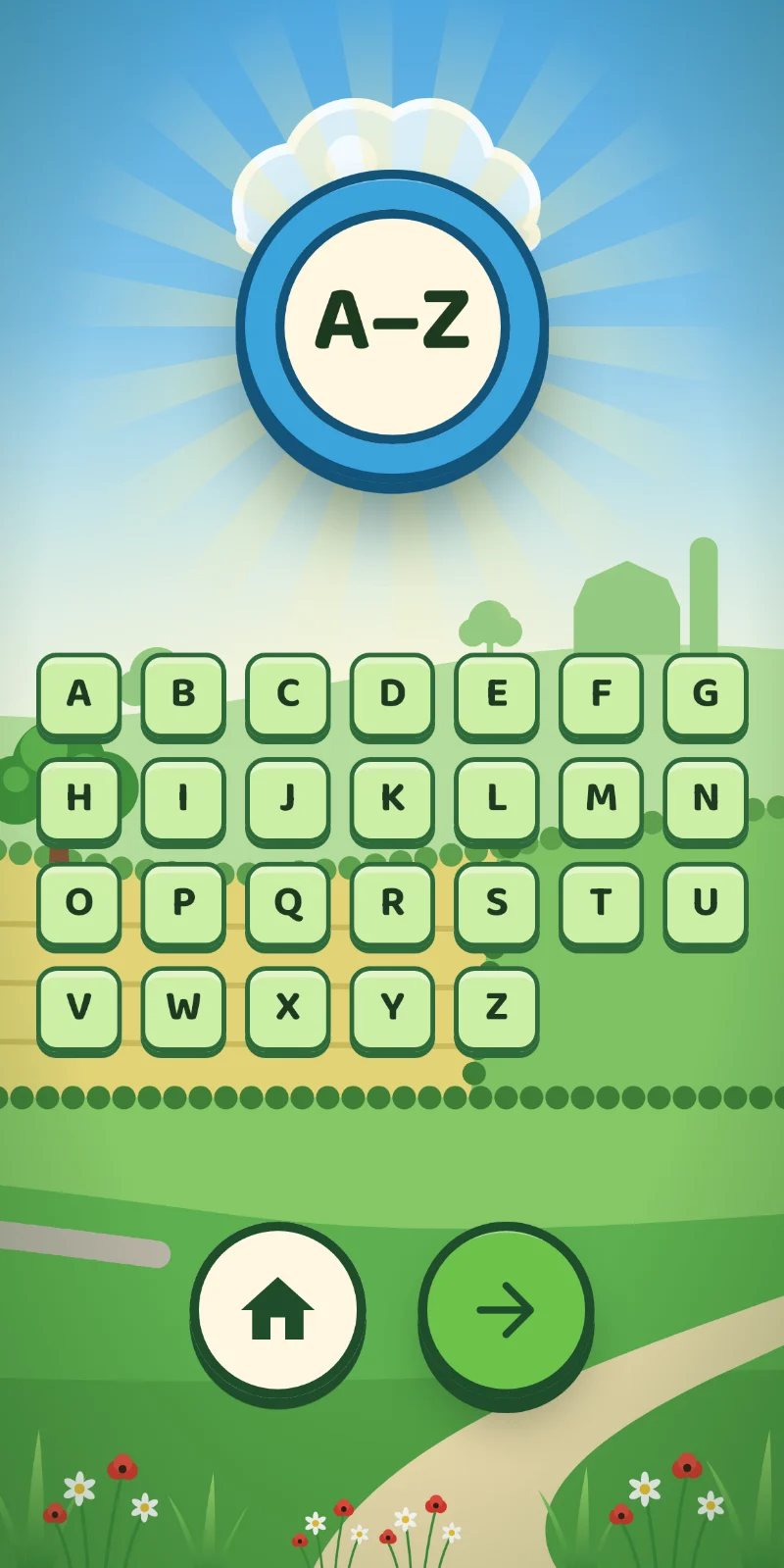
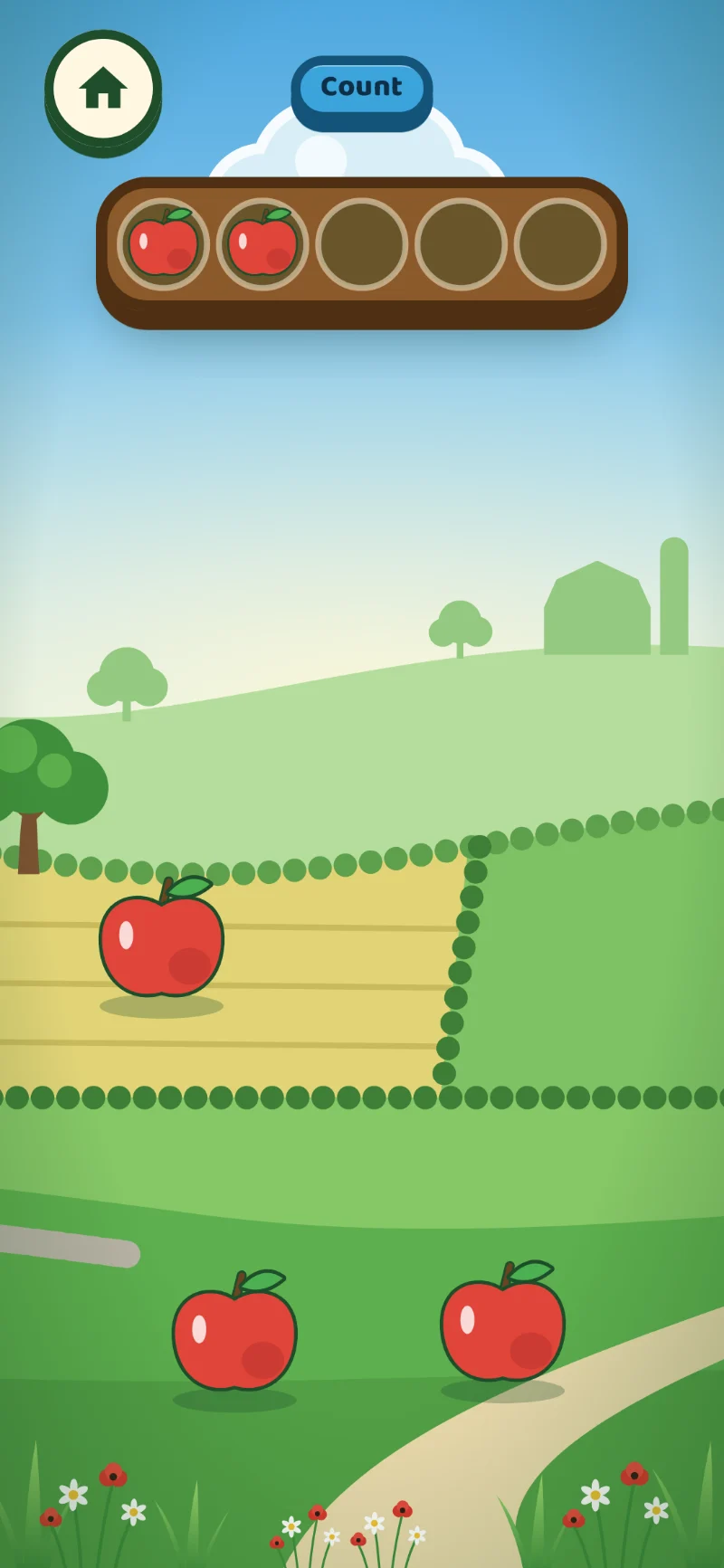
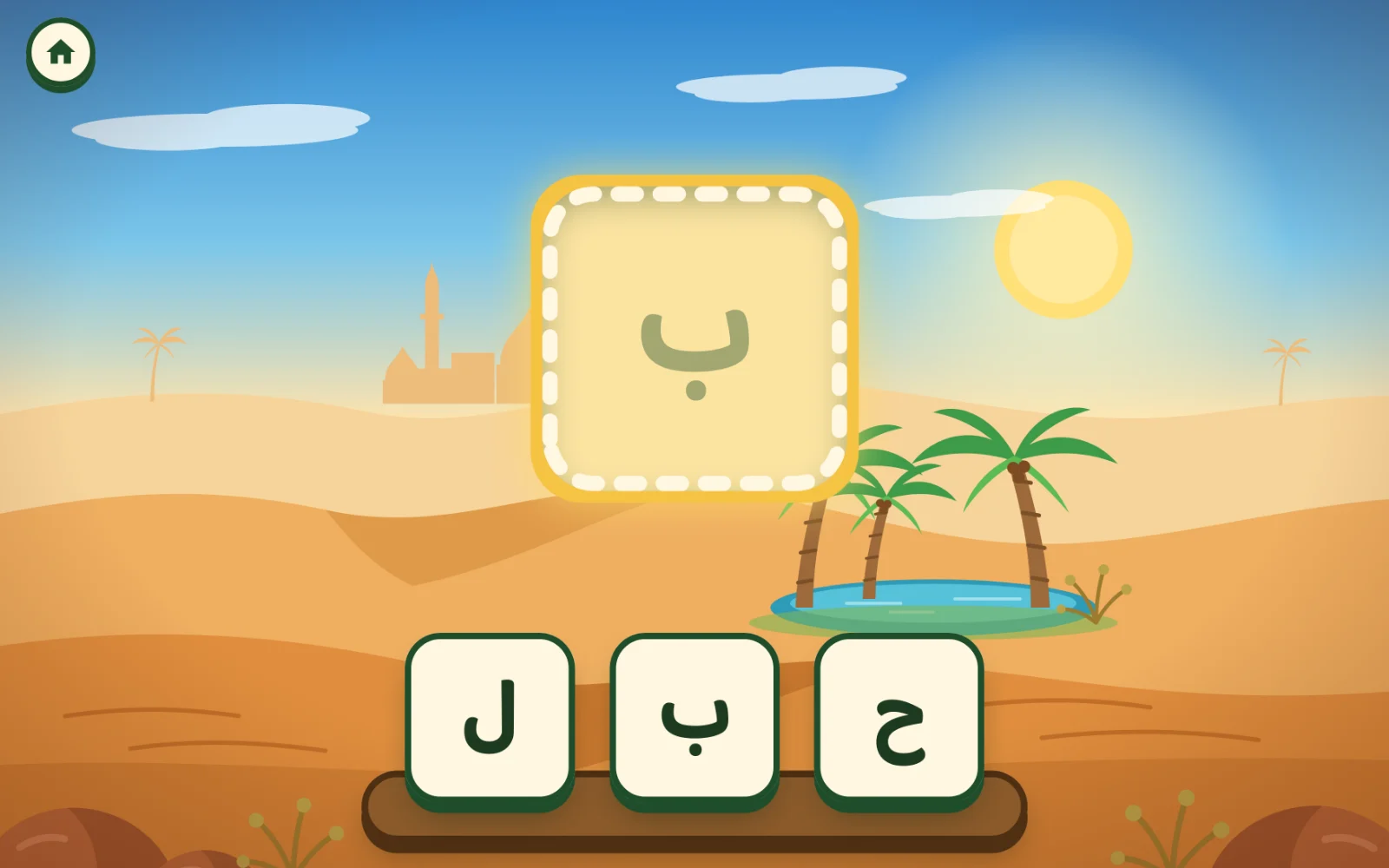
Abataku teaches Numbers, Letters, and Words in English, Indonesian, and Arabic through six activities: Drag (slot matching), Trace (guided strokes), Count (spoken quantities), Spell (including Arabic cursive joining), Say (on-device pronunciation), and Write (freehand shape scoring).
Built under strict Islamic Content Fence rules: no music (only natural birdsong), faceless animal and vehicle mascots, no ads, accounts, timers, or fail states.
Stack
App & UI
- Kotlin + Jetpack Compose
- Single activity, minSdk 26; every screen is preview-driven for JVM screenshot gates.
- Pure-Kotlin domain layer
- Catalogs, progress, and scoring engines stay Android-free for fast JVM unit tests.
- SharedPreferences store
- Local-only progress with backward-compatible migration from Flutter v1.
- Show Me gesture host
- Silent glove hint that models interactions when a toddler hesitates.
On-device ML & Speech
- ZIPA-CR small + Silero VAD
- Hands-free turn detection (Silero VAD v6.2.3) feeding INT8 ZIPA-CR on-device.
- Trimmed ONNX Runtime
- Custom operator build trims arm64 binary from 34 MB to 3.2 MB with telemetry stripped.
- Pure-Kotlin CTC scorer
- Pronunciation scoring with forgiving child phoneme allowances (e.g. Arabic q/ħ/ʕ).
Algorithms & Geometry
- ArabicJoining engine
- Morphs isolated Arabic tiles into initial, medial, or final cursive forms on drop.
- Bounded-lookahead sampler
- Normalized 0–100 strokes prevent shortcut scribbles while snapping ink to ideal paths.
- Multi-point shape matcher
- Scores freehand ink on coverage, segment minimums, precision, ink cap, and stray runs.
Quality & Release
- quality-kit kotlin-android pack
- ktfmt, detekt + Compose rules, Android Lint, Kover, and dependency analysis.
- Robolectric + Roborazzi
- 65+ UI previews verified against screenshot goldens on the JVM with no emulator.
- Gradle Play Publisher
- Versioned en-US/id/ar listings that sync Roborazzi goldens directly into store art.
Engineering highlights
Tracing that can't be cheated by a scribble
Glyphs use a 0–100 coordinate box with a bounded-lookahead catch zone so children can't skip strokes, while ink snaps to the ideal curve. Arabic traces body first (RTL) then dot taps; identical Latin glyphs share progress across English and Indonesian.
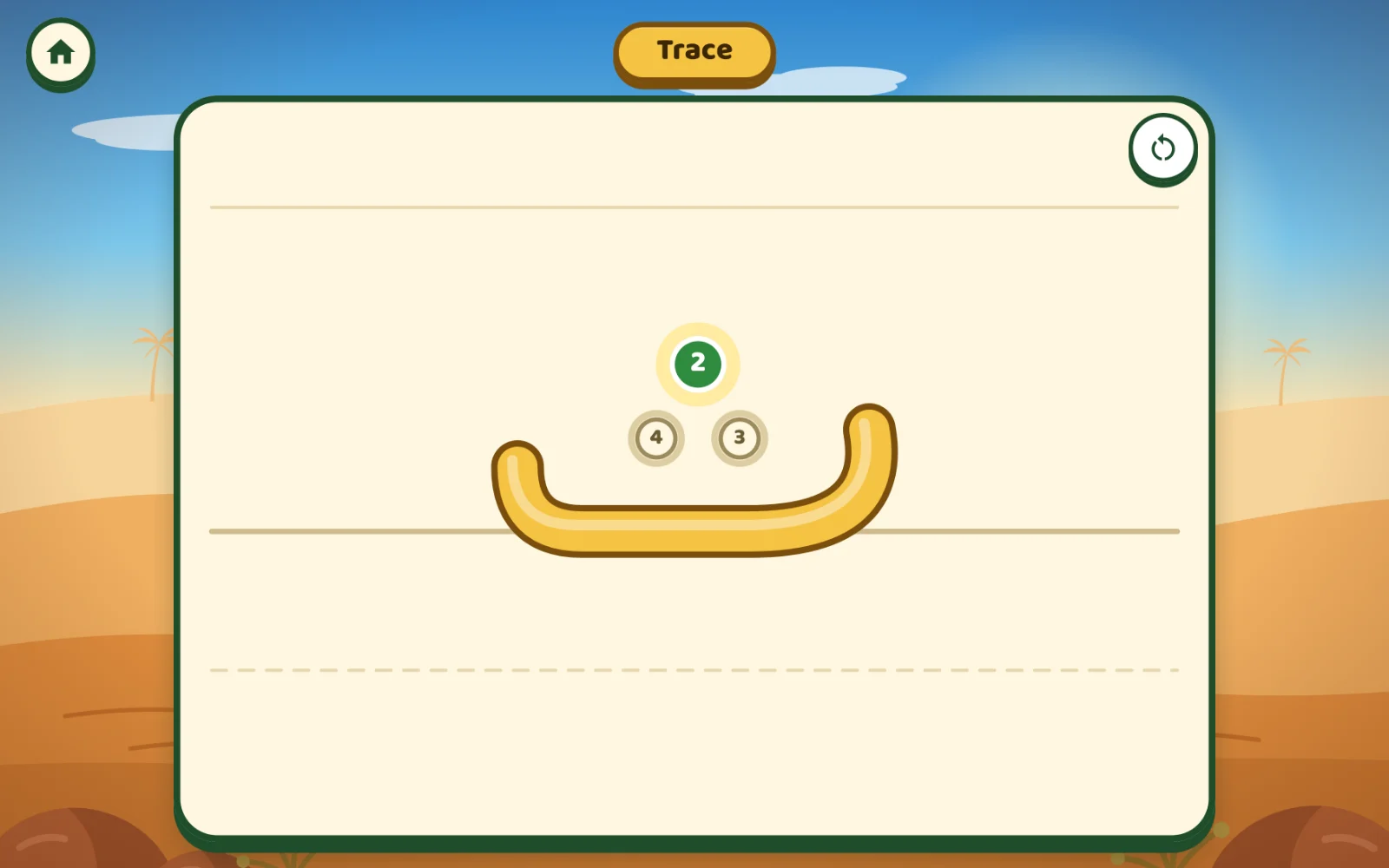
ث (tha): body traced, three dots left to tap. Hands-free on-device speech scoring (Say)
Silero VAD v6.2.3 detects spoken turns automatically and passes audio to INT8 ZIPA-CR small, graded by a pure-Kotlin CTC scorer with child-friendly phoneme allowances—completely offline.
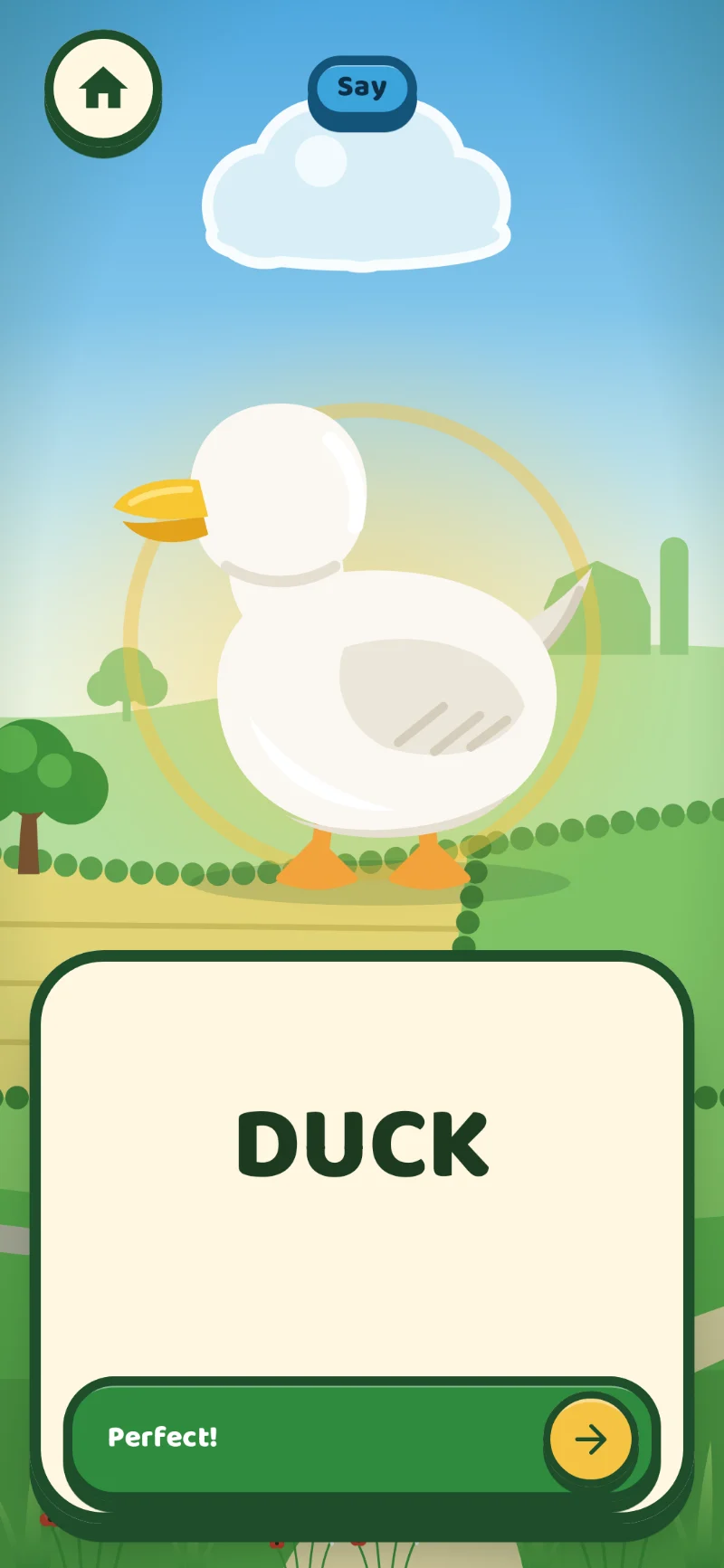
Say Activity: hands-free listening powered by on-device VAD and phoneme scoring. Animated Arabic cursive joining (Spell)
JoinedSpellWordrenders Arabic words as one shaped glyph run with per-letter bounds. As isolated tiles fly from the RTL tray,ArabicJoiningmorphs them into proper initial, medial, or final cursive forms.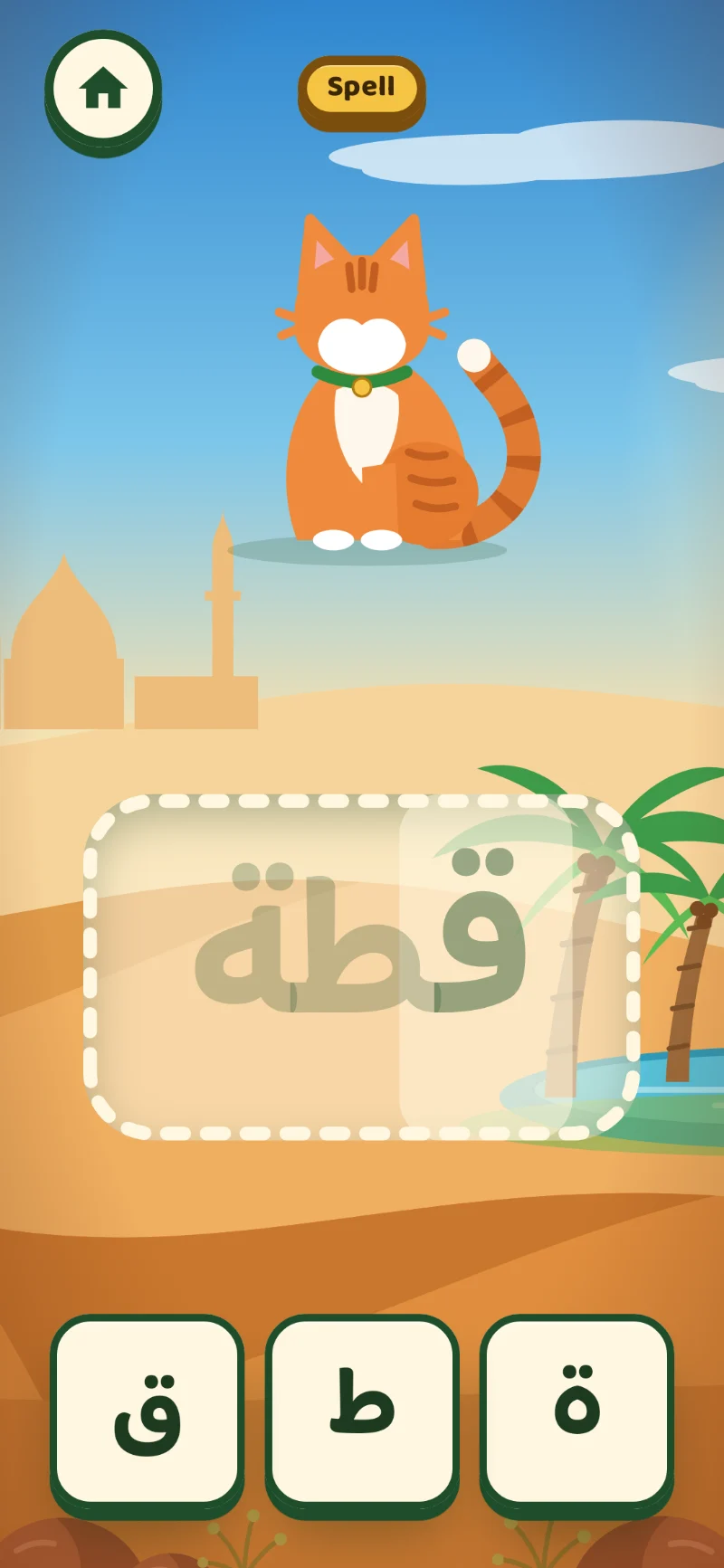
Arabic Spell: right-to-left tiles morph into joined cursive forms. Freehand letter scoring by shape (Write)
Each freehand stroke is matched to its target letter and must pass five geometric checks at one offset: coverage, per-segment minimums (no A without a crossbar), precision, an ink cap against coloring-in, and no long stray runs (rejecting O over C).
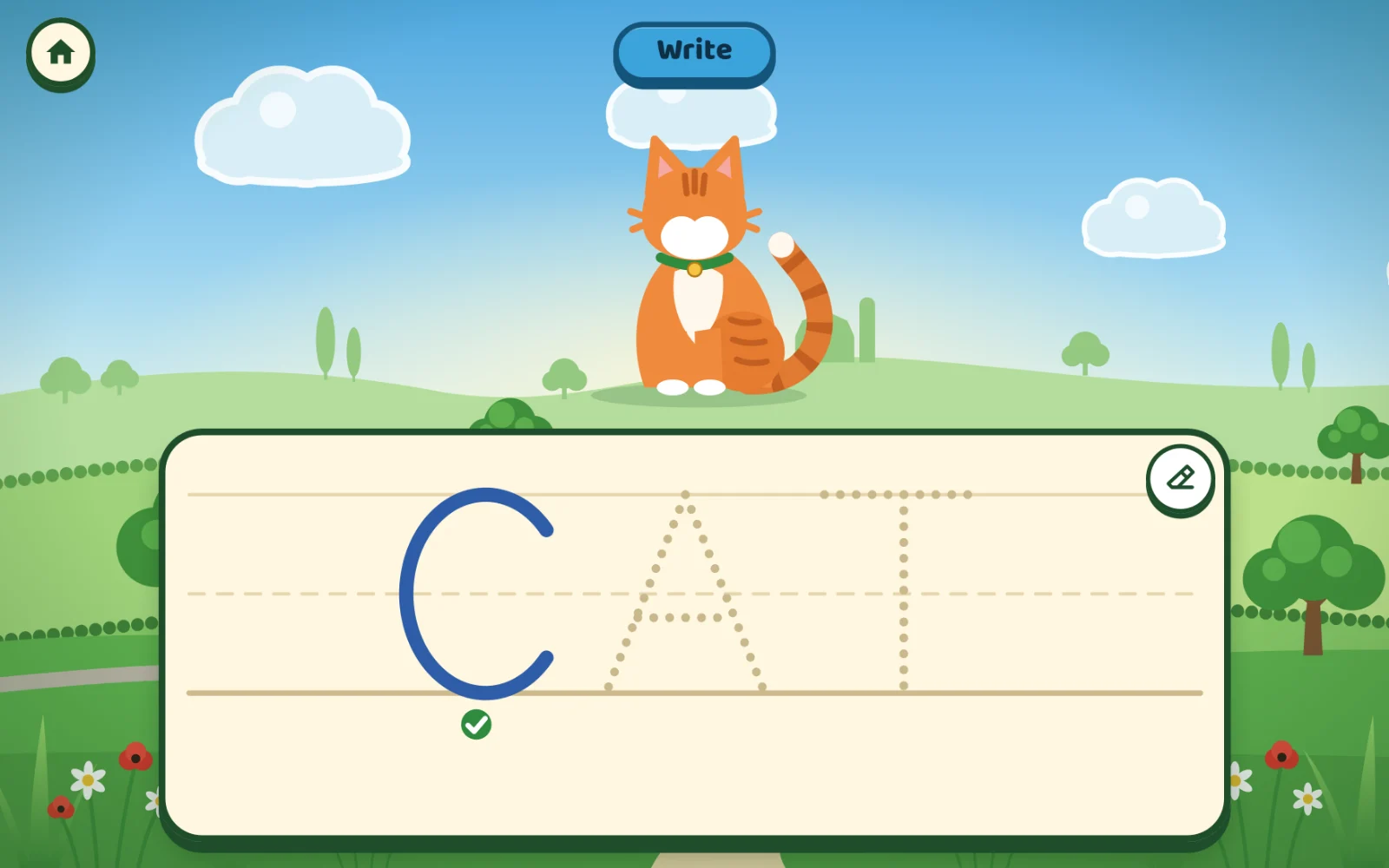
Write Activity: C accepted, A and T still dotted. Data-driven mascot motion shared with the design tool
Ten faceless mascots animate via JSON math expressions (e.g.
-170 * sin(PI * span(0.16, 0.6))) parsed identically by the browser design canvas and Compose, falling back to still poses under reduced motion.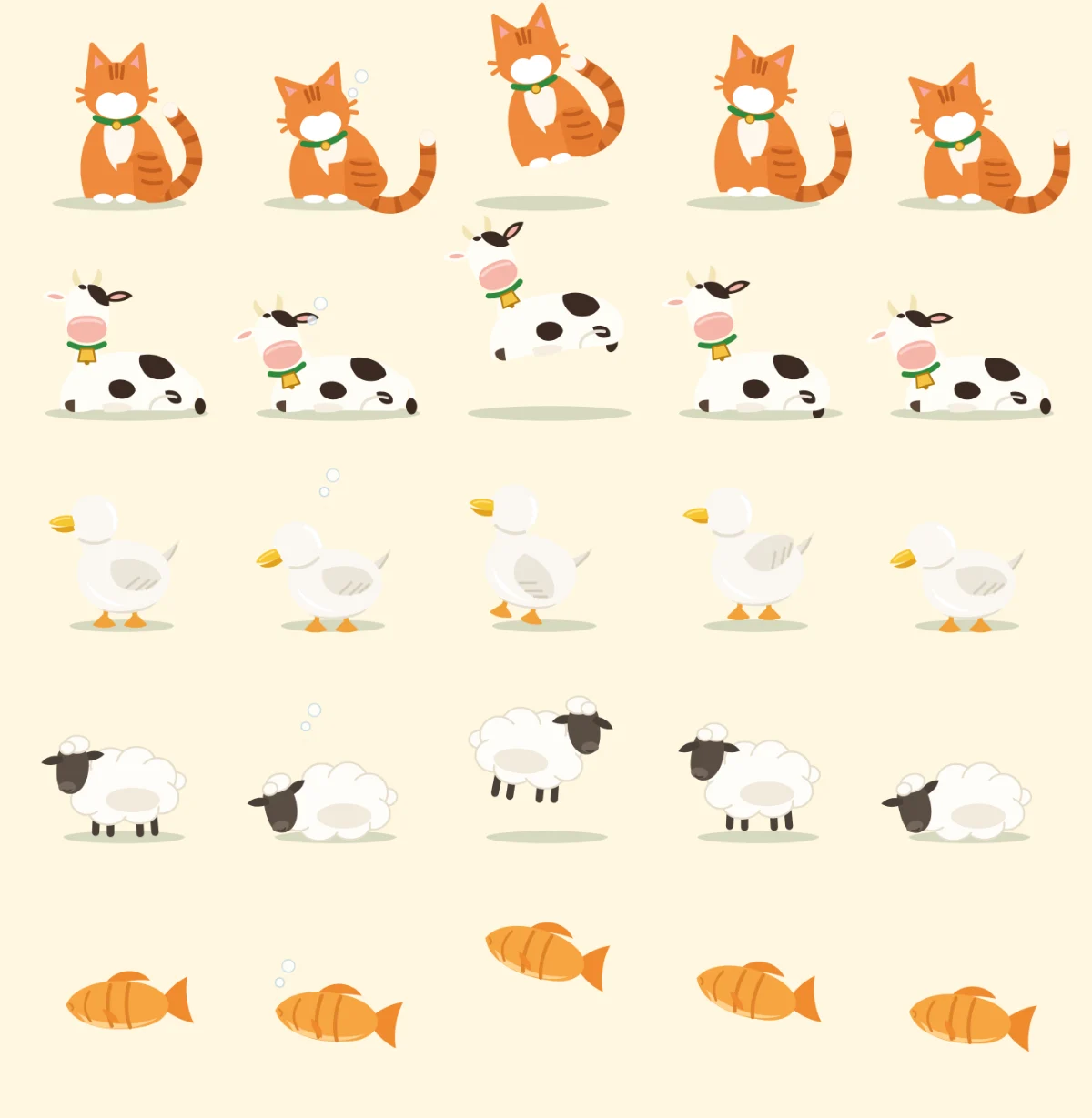
Animal Friend poses, verified via screenshot goldens. Headless screenshot goldens reused as Play Store art
Over 65
@Previewscreens render under Robolectric and Roborazzi on the JVM without an emulator. A Gradle task copies selected goldens directly into Play Store graphics so store art stays in sync with shipped UI.
Architecture
Hands-free speech evaluation on-device
- Silero VADDetects speech start and end at 16 kHz, ignoring ambient noise.
- Waveform isolationSlices the spoken segment with short padding to avoid empty inferences.
- ZIPA-CR scoringRuns INT8 ONNX inference and pure-Kotlin CTC goodness-of-pronunciation.
- Forgiving matchingApplies child phoneme allowances into Perfect, Good, or Close Enough tiers.
- Mascot praiseCelebrates or encourages a retry with zero fail states.
More screens
Challenges & lessons
Choose a toolchain coding agents can iterate in
Porting from Flutter v1 to Kotlin and Jetpack Compose let agents compile, render Compose previews on a headless JVM via Robolectric, and inspect screenshot diffs in seconds—making screenshot gates and automated Play graphics practical on every commit.